Understanding Nutrition and Energy Balance
Educational exploration of how your body processes energy and nutrients

Energy Balance: The Foundation
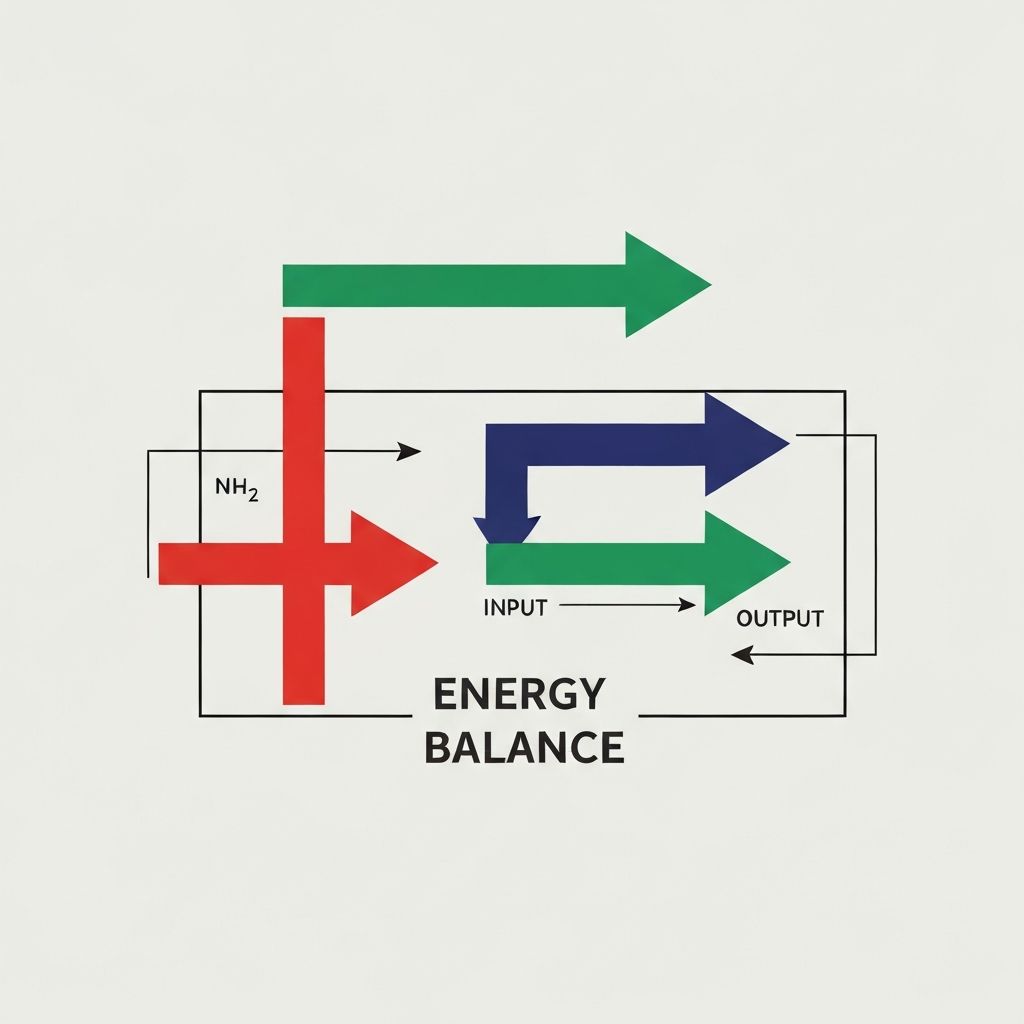
Energy balance represents the relationship between energy consumed through food and energy expended through daily activities, metabolism, and digestion. Understanding this relationship is essential to comprehending how weight changes occur in the human body.
Your body requires energy to maintain basic functions like breathing, circulation, and cellular processes. Additional energy is used during physical activity and processing food. The difference between total energy intake and expenditure determines whether energy is stored or used.
Common Misconceptions About Nutrition
Reality: While caloric content differs between foods, your body processes different macronutrients through distinct metabolic pathways. Protein, carbohydrates, and fats have different thermic effects and hormonal responses.
Reality: Timing of meals has minimal impact compared to total daily energy intake. What matters is overall consumption relative to expenditure, not when you eat.
Reality: Carbohydrates are an essential macronutrient. Weight changes depend on total energy balance, not eliminating specific food groups. Different people respond differently to various macronutrient ratios.
Role of Macronutrients
Macronutrients—proteins, carbohydrates, and fats—serve distinct physiological roles beyond providing energy. Each macronutrient has unique effects on satiety, hormone levels, and metabolic processes.
Proteins support tissue repair, enzyme production, and hormone synthesis. They have the highest thermic effect, requiring more energy for digestion.
Carbohydrates provide energy for the brain and muscles, regulate blood sugar, and support digestive health through fiber.
Fats facilitate hormone production, support nutrient absorption, and provide concentrated energy. Essential fatty acids cannot be synthesized by the body.


Daily Activities and Energy Expenditure
Physical activity significantly influences total daily energy expenditure. This includes structured exercise, occupational activity, and non-exercise movement like walking or maintaining posture.
Non-exercise activity thermogenesis (NEAT)—energy expended during daily activities—can vary considerably between individuals and occupations. Someone with a physically demanding job may burn substantially more calories than someone in a sedentary profession.
Regular physical activity affects not only immediate energy expenditure but also metabolic health, muscle mass maintenance, and various physiological functions including cardiovascular health and bone density.
Additional Physiological Factors
Hydration Status
Water supports metabolic processes, nutrient transport, and temperature regulation. Adequate hydration is necessary for optimal physical and cognitive function.
Sleep Quality
Sleep influences hormone regulation, appetite hormones like ghrelin and leptin, and glucose metabolism. Poor sleep can affect metabolic health and energy regulation.
Stress and Recovery
Chronic stress affects hormone profiles and metabolic function. Recovery periods allow for physiological adaptation and hormonal balance.
Individual Variation
Genetics, age, sex, medical history, and medications all influence how individual bodies respond to different nutrition and activity patterns.
Learn More
Explore detailed scientific explanations of nutrition and physiology concepts:
Energy Deficit Explained Simply
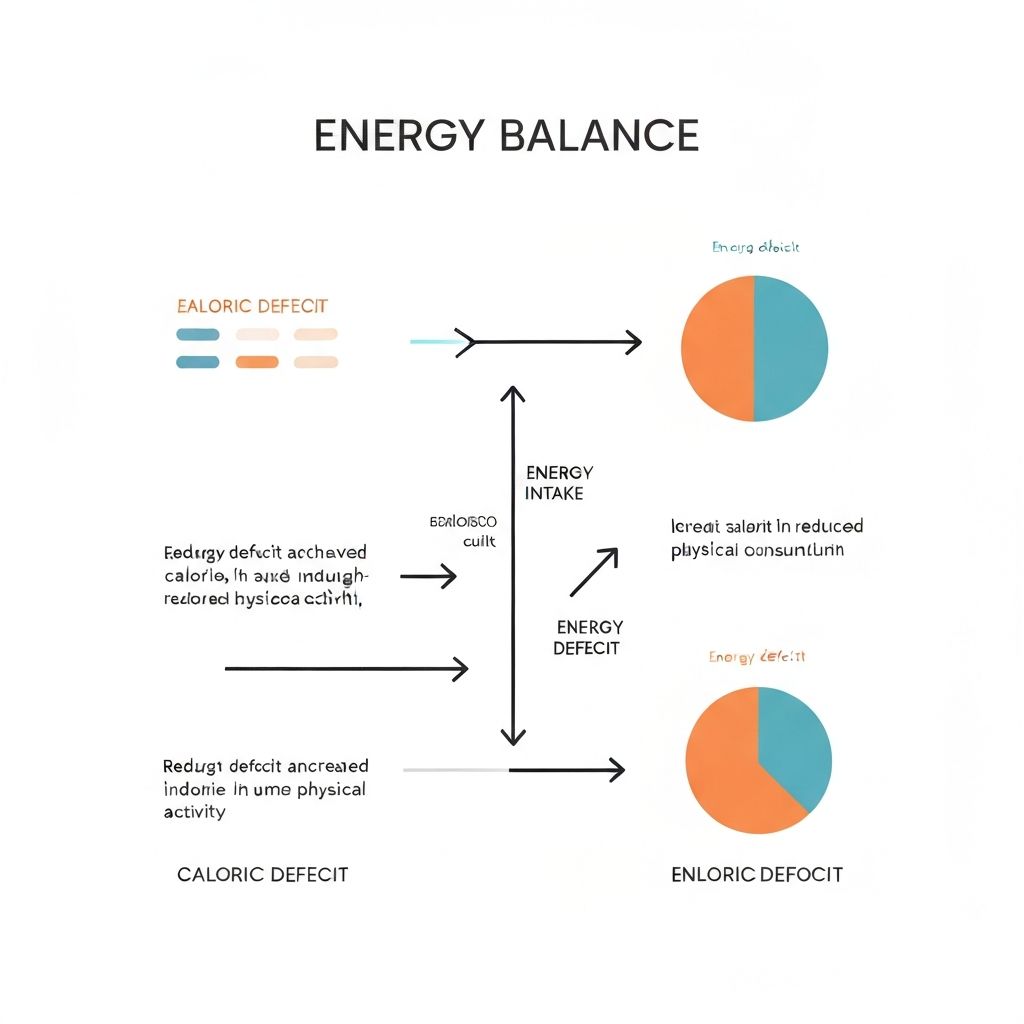
Understanding the scientific basis of energy deficit and how it relates to body composition changes.
Read the explanation →
Macronutrients and Physiology
Deep dive into how proteins, carbohydrates, and fats function in the body's metabolic processes.
Explore science →
Daily Activity and Energy Expenditure
Research-based explanation of how movement and activity affect your body's total energy use.
Discover facts →Frequently Asked Questions
What is metabolic rate?
How do hormones influence appetite?
Why is protein important in nutrition?
How does age affect metabolism?
Start Learning
Explore the science behind nutrition and physiology through our educational resources.
Explore Science